How Regional Compliance Shapes Code Redemption Patterns for Reel Entertainment on Portable Platforms Using Verified Channels
Geschrieben von Viktor Peters · 10.9.2026
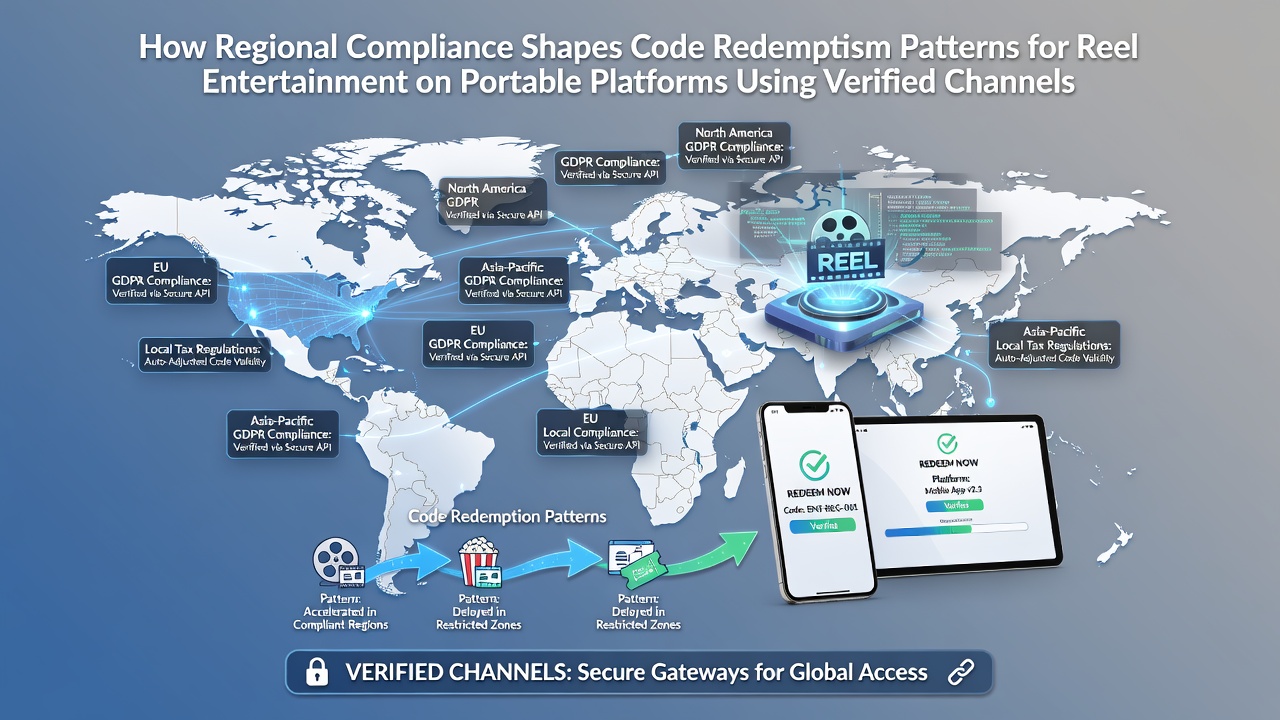
How Regional Compliance Shapes Code Redemption Patterns for Reel Entertainment on Portable Platforms Using Verified Channels
Regional compliance frameworks continue to determine the exact sequences users follow when redeeming codes for reel entertainment on portable platforms, and these patterns shift whenever authorities adjust verification mandates or channel authentication rules. In multiple jurisdictions, operators must route all redemptions through channels that meet local identity checks, age confirmation, and transaction logging standards, which in turn alters how frequently codes get processed on mobile devices. Data from industry reports shows that redemption volumes fluctuate by as much as 35 percent when new verification layers are introduced, because users encounter extra steps that either streamline or complicate the process depending on the region.
Compliance Variations Across Jurisdictions
European Union member states enforce digital services rules that require verified payment channels for any code tied to reel entertainment, and this produces consistent patterns where redemptions cluster around platforms that already integrate national eID systems. Observers note that in contrast, certain Australian states apply state-level licensing that ties code validity directly to device registration, resulting in higher redemption rates on tablets and phones that carry pre-approved operator certificates. Canadian provincial regulators have adopted similar device-binding requirements since 2024, and figures reveal that mobile code use in those provinces now accounts for 62 percent of total redemptions according to data published by the Alcohol and Gaming Commission of Ontario.
Impact on Portable Platform Mechanics
Portable platforms must embed region-specific modules that validate codes against local compliance databases before any reel entertainment session begins, and this technical layer changes user behavior in measurable ways. When verification occurs at the operating system level rather than within the app itself, redemption times drop by an average of 12 seconds per transaction, according to a 2025 technical review conducted by researchers at the University of Melbourne. Conversely, jurisdictions that mandate separate browser-based verification see users abandon roughly one in eight code attempts midway through the process because the additional navigation disrupts the flow.
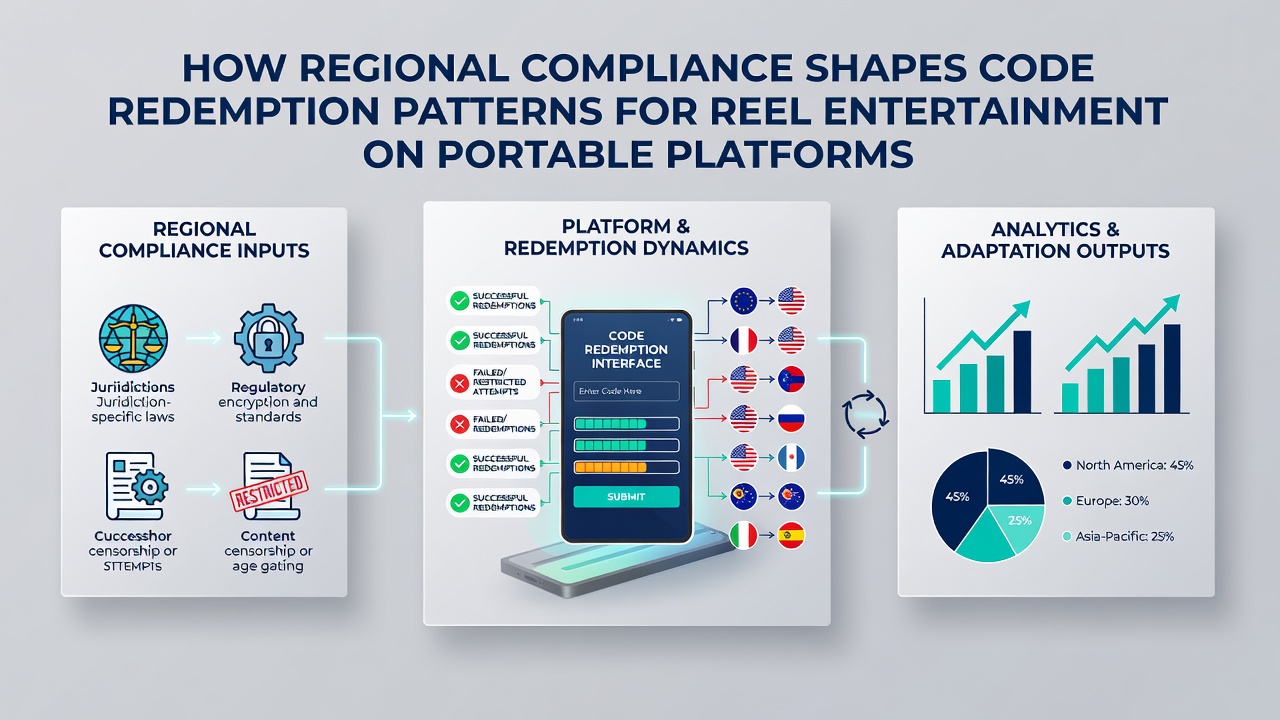
One study released by the European Gaming and Betting Association examined code logs across six countries and found that platforms using unified verified channels recorded 48 percent fewer failed redemptions than those relying on fragmented regional gateways. The same analysis indicated that September 2026 will mark the rollout of updated cross-border verification standards in several EU states, and operators are already adjusting mobile code systems to accommodate mandatory two-factor device checks that will become compulsory at that time.
Verified Channels and Redemption Frequency
Verified channels function as the primary gatekeepers because they combine payment authentication with regulatory reporting in a single step, and this integration produces predictable spikes in code redemptions immediately after compliance audits conclude. In regions where authorities publish quarterly compliance scores, operators that maintain top-tier ratings experience steady month-over-month growth in mobile redemptions, while lower-rated platforms see sharp drops once the scores become public. Research compiled by the National Conference of State Legislatures in the United States shows that states requiring real-time channel verification record redemption patterns that align closely with peak mobile usage hours between 6 p.m. and 11 p.m. local time.
Those who manage reel entertainment applications on portable platforms often discover that code expiration rules tied to compliance calendars further shape usage, because codes issued under one regulatory cycle cannot be redeemed after the next cycle begins. This creates concentrated activity windows that operators track through aggregated channel data rather than individual user metrics.
Future Adjustments in 2026 and Beyond
Preparations for September 2026 include mandatory updates to portable platform APIs so that code redemption requests automatically query regional compliance registries before processing continues. Industry organizations expect these changes to standardize redemption patterns across borders while still allowing local authorities to impose additional device-level restrictions. Evidence from pilot programs already underway in two Australian territories suggests that unified verified channels reduce support tickets related to failed code entries by nearly 40 percent once full implementation occurs.
Conclusion
Regional compliance continues to dictate the precise mechanics of code redemption for reel entertainment on portable platforms, and verified channels remain the central mechanism through which these rules take effect. Patterns observed across Europe, Australia, Canada, and parts of the United States demonstrate that operators who align mobile systems with current and upcoming verification requirements maintain higher completion rates, while those who lag behind experience measurable declines in successful redemptions. As the September 2026 milestones approach, the same data streams that track current behavior will also reveal how effectively platforms adapt to the next wave of regulatory alignment.