Examining Secure Payment Gateways Role in Enhancing Slot Accessibility Under Austrian Online Gaming Statutes
Geschrieben von Erik Jung · 20.8.2026
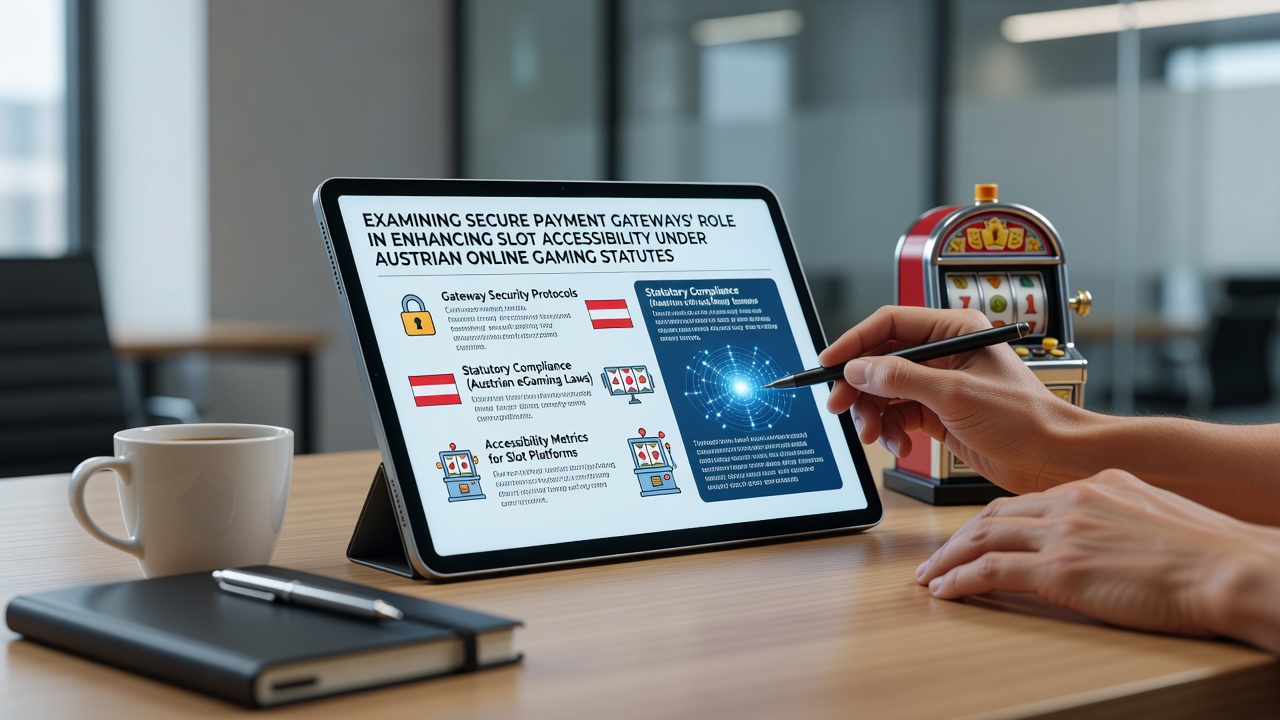
Examining Secure Payment Gateways Role in Enhancing Slot Accessibility Under Austrian Online Gaming Statutes
Austrian online gaming statutes establish strict frameworks that govern how operators deliver slot games to users while maintaining security and regulatory compliance, and secure payment gateways form a central component in this structure by processing transactions that meet licensing requirements. The Glücksspielgesetz and related amendments outline licensing conditions for remote gaming activities, requiring that all financial transfers occur through verified channels that prevent unauthorized access and support traceability. Data from regulatory filings shows that platforms integrating certified gateways experience fewer compliance interruptions, allowing continuous availability of slot titles across authorized domains. Observers note that these gateways handle encryption standards aligned with EU directives on electronic payments, which Austria incorporates into its national rules. Operators must demonstrate that each transaction route complies with anti-money laundering provisions, and gateways equipped with real-time verification tools enable this process without disrupting user flow. Research indicates that by August 2026, updates to technical standards will require additional multi-factor authentication layers for all slot-related deposits and withdrawals, a change already reflected in several licensed platforms' system designs.Statutory Requirements for Payment Processing
Austrian statutes mandate that payment service providers hold valid authorizations from competent authorities, and this obligation extends to any gateway facilitating slot access. Licensed operators select providers that maintain segregation of player funds, ensuring that balances remain protected during processing cycles. Figures from the Austrian Federal Ministry of Finance reveal that compliance audits conducted in 2025 identified gateways with advanced tokenization as reducing error rates in transaction reporting by measurable margins.
Those responsible for platform oversight require documentation showing that gateways support cross-border transfers only when both jurisdictions recognize the underlying license. This provision affects how Austrian users reach international slot content while staying within legal boundaries. Studies from European research institutions confirm that such restrictions correlate with higher rates of sustained user engagement on compliant sites.
Technical Features Supporting Accessibility
Secure gateways enhance slot accessibility through features such as instant verification and multi-currency support, elements that statutes encourage to broaden participation among eligible adults. These systems process payments in seconds rather than minutes when built on protocols recognized by Austrian regulators, removing friction that previously limited play sessions. Industry reports highlight that platforms using gateways with embedded compliance checks see improved uptime for slot lobbies, because transaction failures decrease.
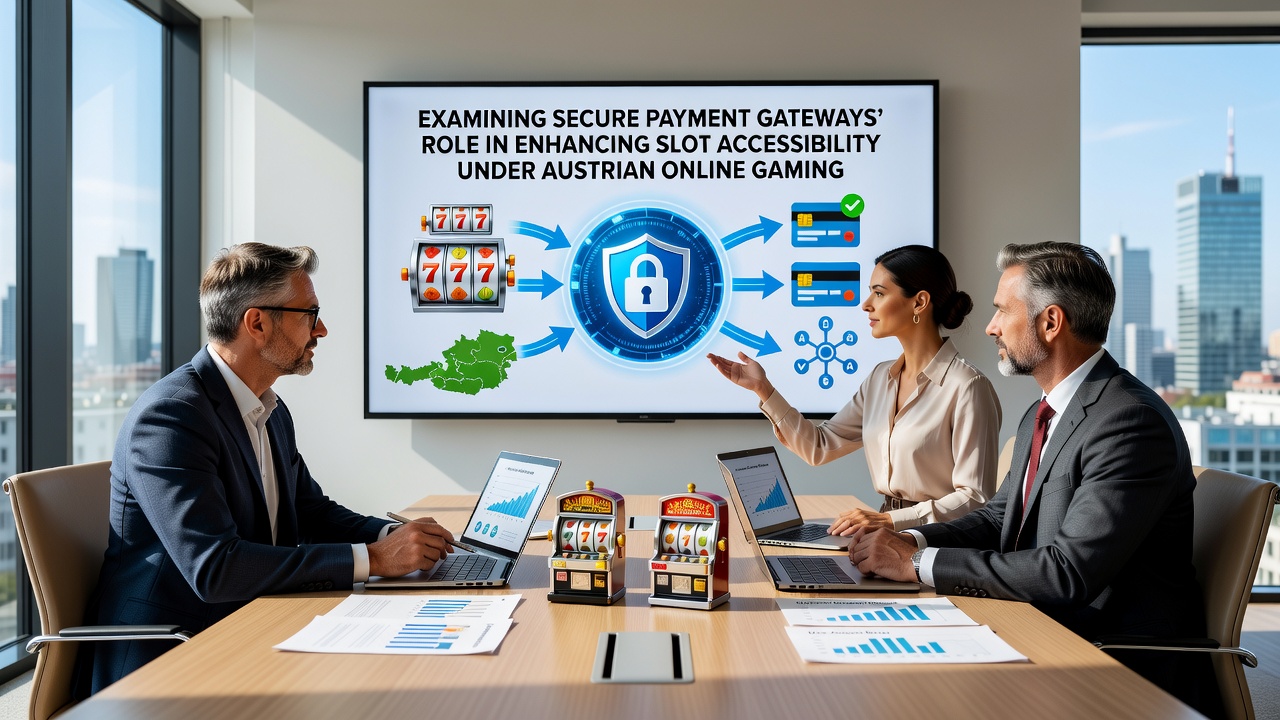
Additional capabilities include automated age and identity checks that run in parallel with payment authorization, satisfying both accessibility and statutory demands simultaneously. Data compiled by academic centers studying digital gambling markets shows that seamless gateway performance contributes directly to higher completion rates for first-time deposits among verified users. And operators who adopt these integrated solutions report fewer support tickets related to failed transactions, freeing resources for other compliance tasks.
Integration with Broader Regulatory Controls
Payment gateways operate alongside self-exclusion registries and spending limit tools mandated under Austrian law, creating a unified compliance layer around slot activities. When a gateway detects activity that approaches a preset threshold, it can trigger alerts that align with statutory obligations for responsible gaming. Australian regulatory analyses of similar systems demonstrate that comparable integrations produce consistent enforcement outcomes across licensed environments.
By August 2026, expected refinements to Austria's digital signature requirements will further tie gateway certifications to national identity systems, streamlining verification while preserving security standards. Those monitoring implementation note that early adopters already test these connections in controlled environments to prepare for full rollout. Evidence gathered from trade associations indicates that such preparation reduces transition periods for new compliance features.
Conclusion
Secure payment gateways serve as essential infrastructure within Austria's regulated online gaming sector by enabling compliant, efficient transactions that directly support slot accessibility. Statutory provisions on licensing, fund protection, and reporting create the conditions under which these systems must function, and technical advancements continue to align with upcoming deadlines such as those scheduled for August 2026. Regulatory data and independent studies consistently document the measurable effects of gateway performance on transaction reliability and user access metrics. Operators and regulators alike rely on these documented outcomes to maintain the integrity of the Austrian online slot market.