Decoding Offer Code Mechanics in Austrian Slot Apps: Accessibility Meets Compliance
Geschrieben von Viktor Peters · 25.8.2026
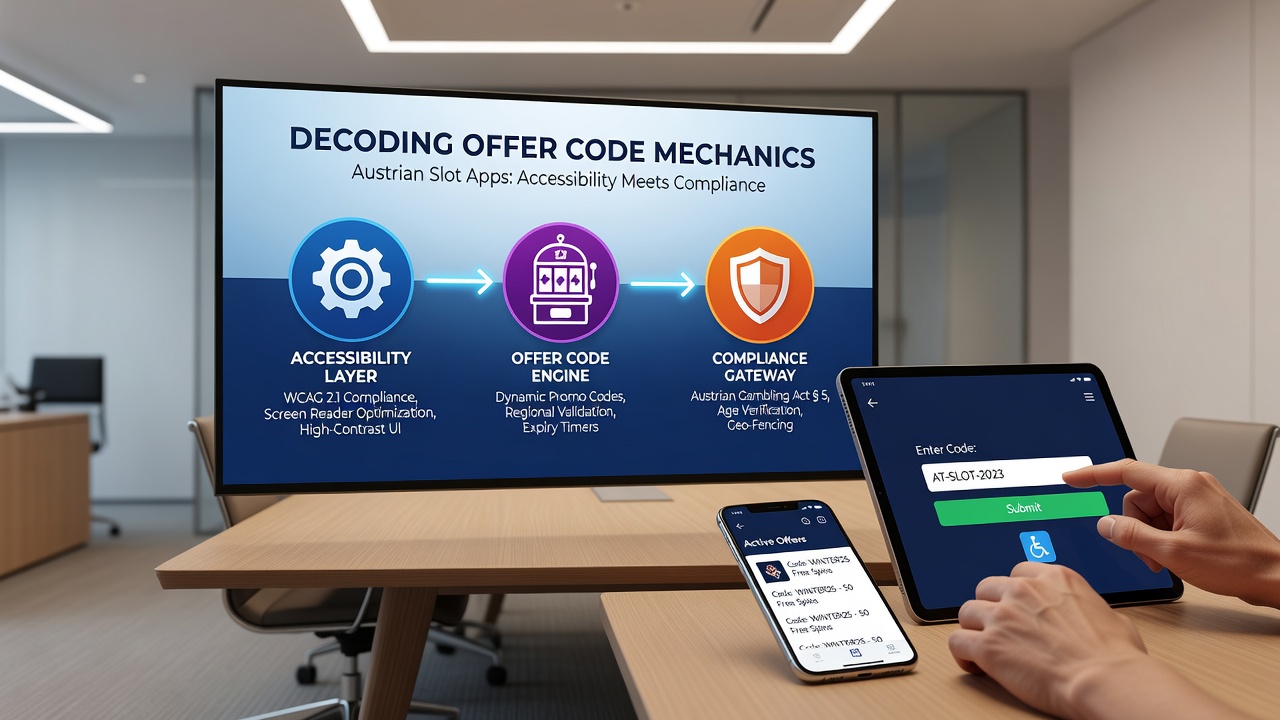
Decoding Offer Code Mechanics in Austrian Slot Apps: Accessibility Meets Compliance
Offer codes in Austrian slot apps serve as digital keys that unlock specific bonus structures while operating under strict national gaming statutes that prioritize both player access and regulatory adherence. These codes typically appear as alphanumeric sequences entered during account setup or gameplay sessions, and they trigger predefined reward mechanisms such as free spins or deposit matches. Research from European gaming studies shows that operators design these codes to align with the Glücksspielgesetz requirements, which mandate clear disclosure of terms before activation occurs.
Core Mechanics Behind Offer Code Activation
Mechanics begin when users input a code into a designated field within the app interface, after which backend systems verify eligibility based on factors like account age, location within Austria, and prior bonus usage. Data indicates that verification processes often incorporate real-time checks against centralized databases to prevent duplicate claims, while integration with payment gateways ensures that any associated funds meet anti-money laundering thresholds. Observers note that many apps segment codes by category, such as welcome incentives versus ongoing loyalty rewards, and each category carries distinct validity periods that reset according to operator schedules.
Activation sequences frequently involve multiple confirmation steps that include age verification prompts and consent for data processing, elements that tie directly into broader compliance frameworks. Studies reveal that successful redemptions generate automated notifications detailing wagering requirements, time limits, and game restrictions, all presented in formats compatible with screen readers and other assistive technologies.
Regulatory Landscape Shaping Code Deployment
Austrian statutes enforce that offer codes must not mislead users about payout probabilities or eligibility criteria, a rule enforced through periodic audits by the Federal Ministry of Finance. According to Austrian Federal Ministry of Finance documentation, operators must maintain transparent records of all code distributions, including the total number issued and redemption rates tracked monthly. These records support oversight mechanisms that became more digitized in recent years, allowing regulators to monitor patterns across licensed platforms.
Compliance extends to cross-border considerations, since apps accessible within Austria must respect EU directives on consumer protection even when servers operate elsewhere. Figures from industry reports show that non-compliant codes face swift removal orders, with penalties scaled according to the volume of affected users and the duration of violations.
Accessibility Integration in Code Systems
Accessibility features receive equal emphasis under current rules, requiring that code entry fields support keyboard navigation, high-contrast modes, and voice input options. Developers incorporate these elements to meet standards outlined in the Web Content Accessibility Guidelines, which Austrian authorities reference during licensing reviews. Research indicates that apps updated since 2024 demonstrate measurable improvements in task completion rates for users with motor or visual impairments when codes are presented through simplified menus.
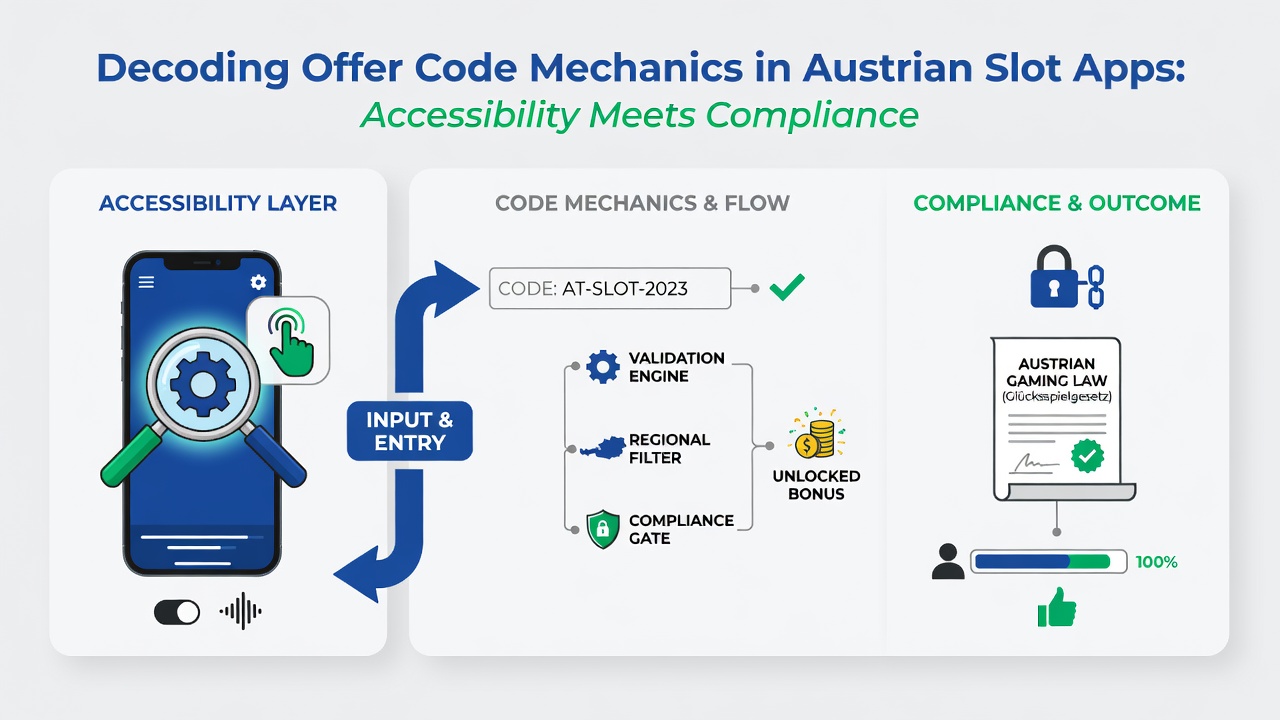
Yet accessibility also intersects with data protection protocols, as personal information collected during code redemption must follow Datenschutz-Grundverordnung guidelines without compromising user privacy. Those who study these intersections find that encryption standards and consent logs form core components of every compliant implementation.
Operational Examples Across Licensed Platforms
Take one operator that introduced segmented codes in early 2025, allowing separate sequences for table games versus slot-specific bonuses while maintaining identical accessibility layers across both. Another platform revised its code system to include QR scanning alternatives for users who prefer mobile camera input over manual typing, a change implemented after feedback sessions with accessibility advocates. Data from these deployments shows higher engagement among diverse user groups without increasing regulatory incidents.
Patterns emerge when codes tie into seasonal promotions, such as summer events running through August 2026 that incorporate additional verification layers to accommodate updated tax reporting requirements scheduled for that period. These updates align with broader efforts to synchronize Austrian practices with evolving EU digital service regulations.
Challenges in Balancing Access and Oversight
Operators encounter technical hurdles when scaling code systems to handle peak traffic while preserving audit trails that satisfy both national and EU examiners. Solutions often involve modular software architectures that isolate bonus logic from core gameplay engines, permitting independent testing of compliance modules. Evidence suggests that platforms investing in such architectures experience fewer interruptions during routine regulatory reviews.
Training for customer support teams also plays a role, as representatives must explain code mechanics accurately without providing personalized advice that could breach neutrality rules. Many organizations now use standardized response templates that reference official statute sections to maintain consistency.
Conclusion
Offer code mechanics in Austrian slot apps continue to evolve through the combined pressures of accessibility mandates and compliance obligations, creating systems that prioritize verifiable user interactions alongside inclusive design principles. Ongoing developments, including those projected around August 2026, point toward further refinements in verification speed and reporting granularity that will shape future platform architectures.