Austria's Regulatory Shifts Reshaping App-Based Slot Incentives and Payment Pathways
Geschrieben von Sam Schmidt · 22.8.2026

Austria's Regulatory Shifts Reshaping App-Based Slot Incentives and Payment Pathways
Austria has introduced several adjustments to its gambling framework that directly influence how operators structure app-based slot incentives and manage payment pathways, with key provisions scheduled for full implementation by August 2026. These modifications build on the existing Glücksspielgesetz and focus on tighter controls over promotional offers delivered through mobile applications while establishing clearer rules for transaction processing. Observers note that the updates aim to align domestic practices with broader European standards without disrupting the licensed market's operational stability.
Background on Austrian Gambling Regulation
The Austrian regulatory environment has evolved through successive amendments that address online gaming platforms, and recent changes target app-based features specifically because mobile access now accounts for the majority of slot activity. Data from the Austrian Federal Ministry of Finance indicates steady growth in licensed online participation, prompting authorities to refine rules around incentive structures that previously allowed unrestricted bonus combinations in applications. Researchers at the University of Vienna have documented how these incentives often bundle free spins with deposit matches, creating compliance questions under the new guidelines that limit such pairings to verified user accounts.
Changes to App-Based Slot Incentives
Operators must now verify that any promotional credits issued through slot applications comply with spending caps tied to player verification levels, a requirement that takes effect progressively through mid-2026. This adjustment replaces earlier self-regulatory approaches with mandatory reporting intervals, where providers submit quarterly summaries of incentive distributions. Those who have tracked similar transitions in other jurisdictions observe that such reporting reduces the scope for overlapping offers that once encouraged extended play sessions within single apps. Figures from industry analyses show a measurable decline in multi-tier bonus campaigns since preliminary consultations began, although total licensed slot volumes have remained consistent.
Impact on Payment Pathways
Payment processing requirements have also shifted, with new stipulations mandating that all app-based deposits and withdrawals route through licensed financial intermediaries that maintain separate ledgers for gaming transactions. This setup facilitates real-time monitoring by regulatory bodies and reduces reliance on third-party processors that previously operated without direct oversight. According to records maintained by the Austrian Banking Association, the number of approved payment rails expanded in 2025 to include additional digital wallet options that meet enhanced anti-money laundering thresholds. Yet providers report that integration timelines for these rails vary, leading some applications to phase out older credit card routes ahead of the August 2026 deadline.
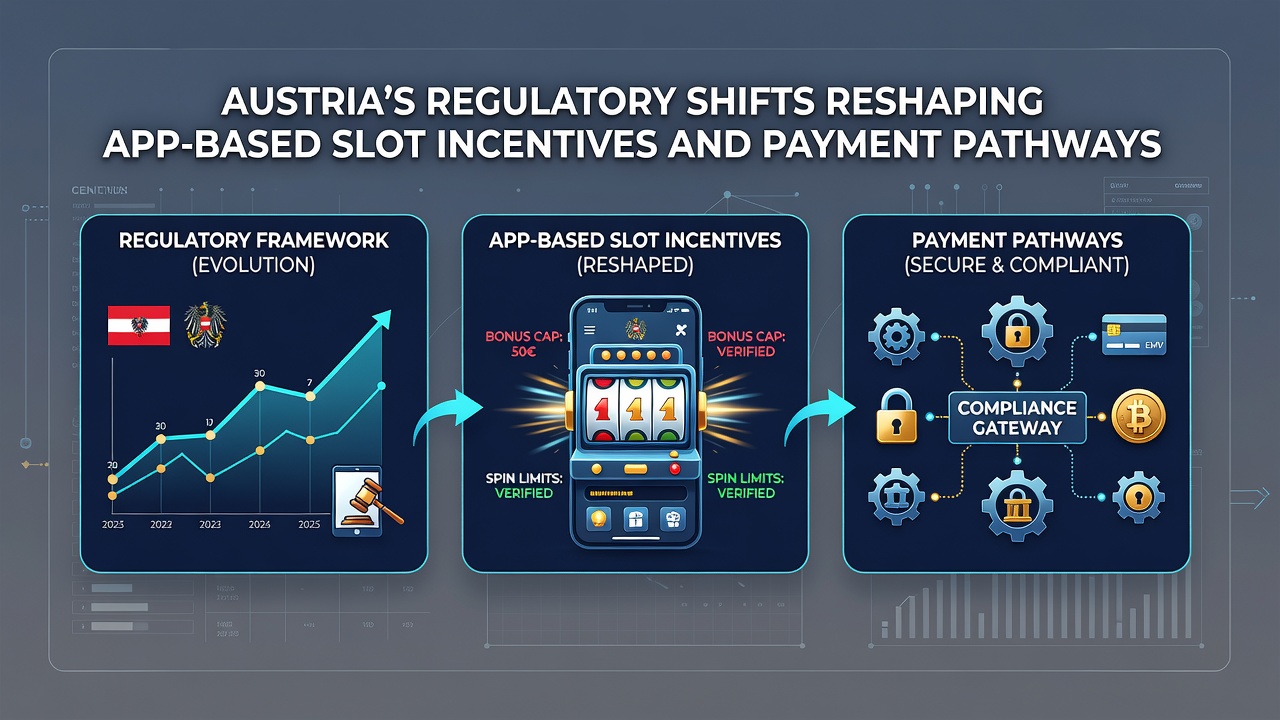
One study released by the European Institute for Gambling Studies examined comparable reforms in neighboring markets and found that separating gaming funds from general payment flows improved traceability without extending average transaction times. Austrian authorities have incorporated similar separation protocols into their framework, requiring operators to display clear fund segregation notices within app interfaces. Data shows that compliance costs for smaller licensees have risen modestly, prompting several firms to consolidate their payment partnerships rather than maintain multiple legacy systems.
Implementation Timeline and Market Response
Stakeholders received advance notice of the regulatory package in late 2024, allowing time for software updates and staff training before the phased rollout that culminates in August 2026. Licensed operators have adjusted their app architectures to embed automated checks that flag non-compliant incentive combinations at the point of offer creation. External audits conducted by independent reviewers confirm that most major platforms completed core modifications by the first quarter of 2026, leaving remaining work focused on edge-case payment scenarios. Industry associations such as the European Gaming and Betting Association have published guidance documents that clarify reporting formats, helping standardize submissions across different app developers.
Take one operator that migrated its slot application to a single authorized payment rail in early 2025; transaction logs from that period reveal faster reconciliation processes and fewer disputed withdrawals. Similar patterns appear in reports submitted to the Austrian regulatory portal, where error rates in incentive tracking have decreased following the introduction of standardized templates. Those monitoring the sector note that smaller developers without in-house compliance teams have formed consortiums to share audit resources, illustrating how the regulatory shifts encourage collaborative approaches rather than isolated adaptations.
Conclusion
The regulatory adjustments reshaping app-based slot incentives and payment pathways in Austria reflect a coordinated effort to enhance oversight while preserving market access for licensed participants. By August 2026 the framework will require uniform application of verification-linked incentives and segregated payment channels, measures that data from official sources indicate will streamline compliance monitoring. Providers continue to adapt their systems accordingly, and ongoing evaluations will determine whether further refinements become necessary as usage patterns evolve.