Austria's Framework for Aligning Transaction Protocols with Reel Reward Eligibility on Portable Devices
Geschrieben von Viktor Peters · 24.9.2026
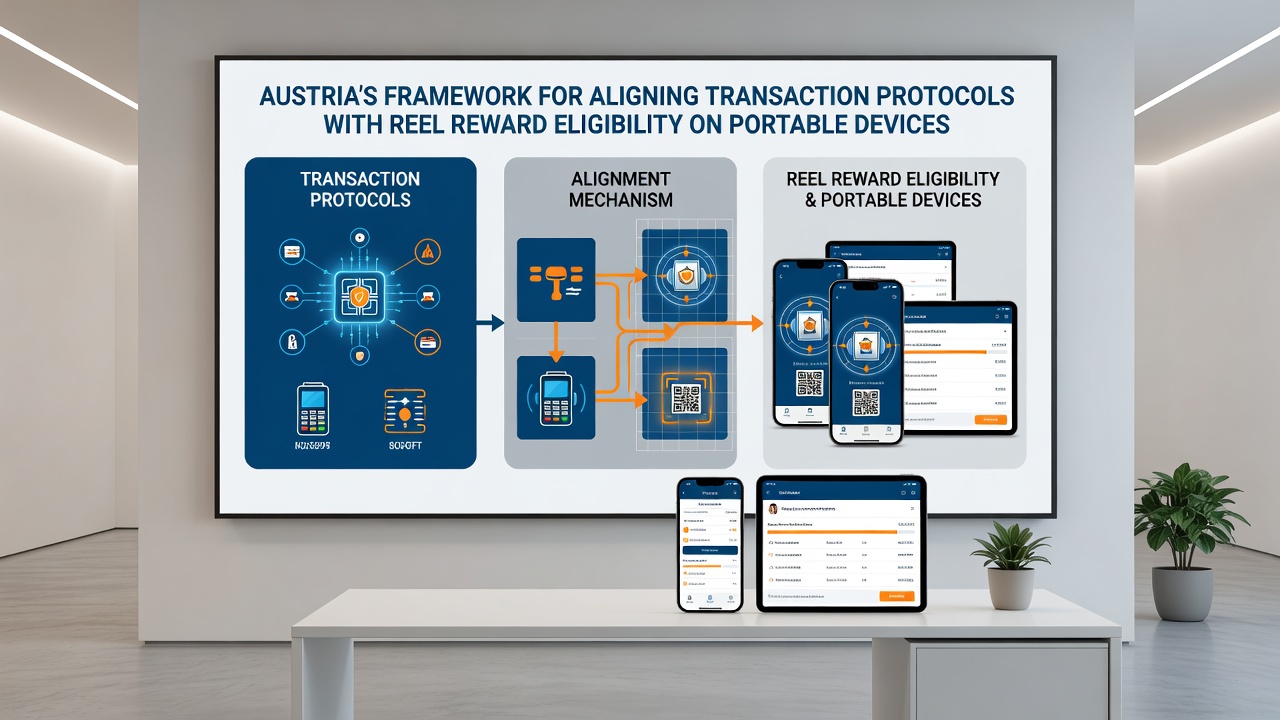
Austria's Framework for Aligning Transaction Protocols with Reel Reward Eligibility on Portable Devices
Overview of the Regulatory Structure
Austria maintains a structured approach to online gaming that coordinates payment verification systems with eligibility rules for slot-based rewards on mobile platforms, and this coordination ensures that transaction records match the criteria for bonus activation in real time. Observers note that the framework requires operators to integrate protocol standards which verify user accounts before any reel reward becomes available, while portable device applications must transmit encrypted data streams that confirm compliance at each step. Data from regulatory filings indicates that these alignments reduce discrepancies between payment confirmations and reward distributions, particularly as mobile usage continues to expand across the country.
Those who've examined teh system point out that the core requirement centers on protocol compatibility, meaning every financial exchange on a smartphone or tablet must align with predefined eligibility parameters for reel-based incentives. Researchers have documented how this prevents unauthorized access to promotional credits, and the process involves multiple checkpoints that cross-reference transaction details against user verification status before rewards activate.
Core Elements of Transaction Protocols
Transaction protocols under the Austrian model incorporate layered authentication methods that portable devices must support, including biometric checks combined with account-linked payment tokens. According to European Central Bank reports on digital payment standards, such measures help maintain consistency across EU member states, yet Austria applies additional filters specific to gaming rewards. These filters demand that each transaction log include timestamps, device identifiers, and eligibility flags that slot applications read automatically.
Implementation involves partnerships between financial institutions and gaming platforms, where data packets flow through secure gateways that validate both the payment and the reward eligibility in a single operation. Studies from academic sources reveal that this integrated approach cuts processing delays by synchronizing verification steps, and operators who follow the protocols report fewer compliance incidents during routine audits. Portable applications must embed these protocols at the code level, ensuring that reel reward prompts only appear after successful protocol confirmation.

Eligibility Criteria for Reel Rewards on Mobile
Reel reward eligibility hinges on verified transaction histories that portable devices capture and forward to central compliance servers, and the rules specify minimum deposit thresholds along with account age requirements before any bonus credit unlocks. Experts observe that these criteria apply uniformly across smartphone and tablet platforms, which forces developers to build identical validation logic into both iOS and Android versions of gaming apps. Data indicates that rewards remain suspended until the full transaction protocol sequence completes, preventing premature activation that could breach regulatory standards.
Additional layers require geographic confirmation through device location services, ensuring that users operate within Austrian jurisdiction at the moment of reward claim. Research from international gaming associations shows that similar location-based checks appear in other regulated markets, yet Austria ties these checks directly to transaction protocols rather than treating them as separate modules. Operators must update their mobile software regularly to reflect any shifts in eligibility parameters, and testing protocols verify that no reward triggers without matching payment records.
Developments Scheduled for September 2026
Regulatory adjustments set to take effect in September 2026 will expand the protocol requirements to include real-time risk scoring for each mobile transaction, and this scoring will influence whether reel rewards qualify for immediate release or require further manual review. Analysts note that the change stems from broader EU digital finance directives, though Austria tailors the scoring models to local gaming statutes. Device manufacturers and app developers have received advance specifications that detail how the new scoring integrates with existing reward eligibility checks.
Testing phases underway involve selected operators who simulate September 2026 conditions on portable platforms, and preliminary results suggest improved alignment between payment flows and reward distributions. Those monitoring the rollout emphasize that the framework maintains focus on data security during these enhancements, requiring encrypted channels for all risk score transmissions. Updates will also standardize reporting formats so that compliance authorities receive uniform datasets from every mobile gaming session involving reel rewards.
Practical Applications and Compliance Patterns
Operators who align their systems report smoother interactions between transaction logs and reward systems on portable devices, with automated flags highlighting any mismatches before users notice delays. A study conducted by researchers at the University of Melbourne on mobile compliance frameworks provides comparative data from multiple jurisdictions, illustrating how Austria's integrated model differs in its emphasis on protocol-reward synchronization. Practical examples include apps that display eligibility status immediately after payment confirmation, reducing user uncertainty during gameplay sessions.
Portable device constraints such as variable network conditions receive specific attention in the framework, which mandates fallback verification methods that still uphold eligibility rules. Figures from industry reports show rising mobile participation rates in Austrian online gaming, and these trends underscore the need for protocols that function reliably across different connection qualities. Compliance teams conduct periodic reviews to confirm that updates to device operating systems do not disrupt the required alignments.
Conclusion
The Austrian framework establishes clear linkages between transaction protocols and reel reward eligibility on portable devices through standardized verification sequences and scheduled enhancements. Implementation details continue to evolve ahead of the September 2026 adjustments, with operators adapting mobile applications to meet expanded requirements. Observers track these developments through official channels, noting how the system supports consistent compliance while accommodating increasing mobile usage patterns.