Analyzing How Mobile Apps Facilitate Legal Bonus Access for Slot Games Through Verified Payments in Austria
Geschrieben von Ellis Brooks · 27.8.2026
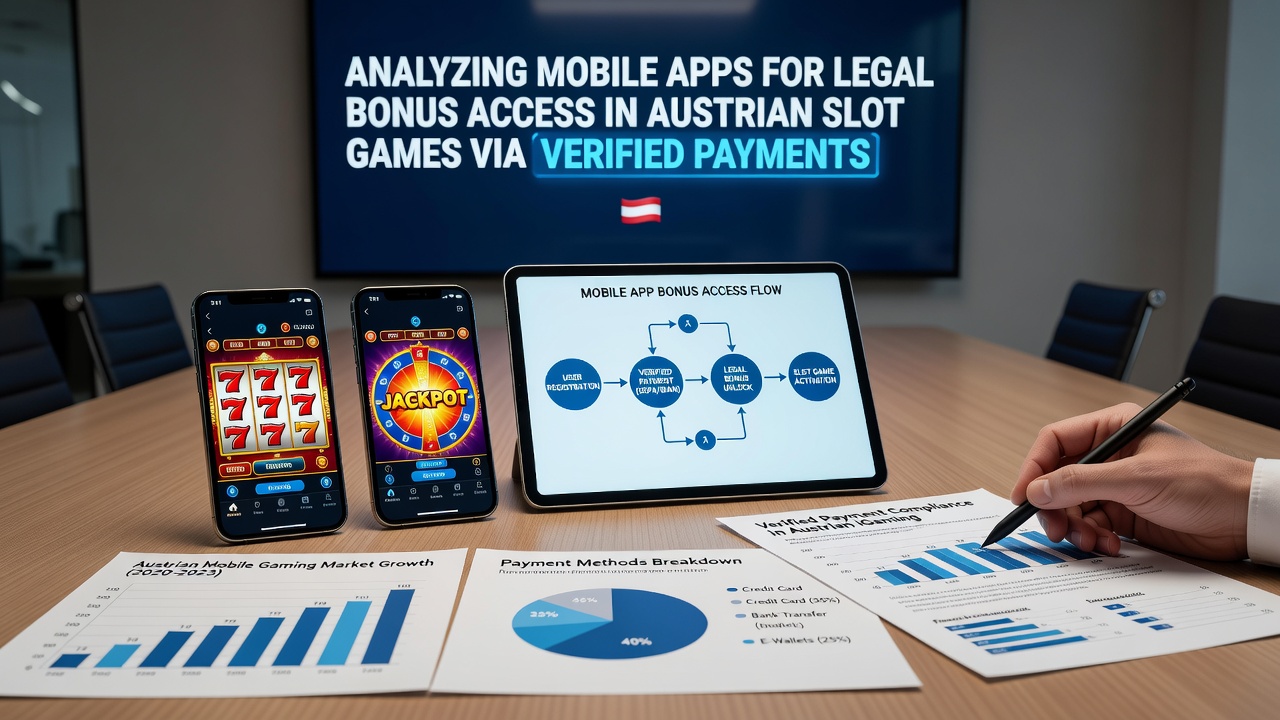
Analyzing How Mobile Apps Facilitate Legal Bonus Access for Slot Games Through Verified Payments in Austria
Regulatory frameworks in Austria require mobile applications to integrate secure verification systems before users can access slot game bonuses, and these systems rely on confirmed payment methods that align with national gambling statutes. Data from the Austrian Federal Ministry of Finance shows that licensed operators must authenticate player identities through documented transactions, which prevents unauthorized bonus claims while maintaining compliance with anti-money laundering rules.
Applications achieve this by linking user accounts directly to verified bank transfers or approved electronic wallets, and the process begins when a player initiates a deposit that matches their registered details. Research from EU gaming oversight reports indicates that such integrations reduce discrepancies in bonus eligibility, since each transaction carries traceable information that confirms residency and age requirements under Austrian law.
Payment Verification Mechanisms in Austrian Mobile Platforms
Operators deploy automated checks within apps that cross-reference payment details against official registries, and this step occurs before any bonus funds appear in a player account. Studies conducted by European research institutions reveal that verified payments serve as the primary gatekeeper for promotional offers on slot titles, because unconfirmed methods trigger automatic blocks to uphold legal standards.
Apps often incorporate real-time scanning tools that validate transaction origins, while also logging timestamps and amounts to create audit trails required by regulators. Observers note that these features became more prominent following updates to Austria's online gaming provisions, which emphasized digital traceability over traditional methods.
Role of Mobile Apps in Bonus Distribution
Applications streamline access by presenting eligible bonuses only after payment confirmation completes, and this conditional display helps operators avoid penalties for improper promotions. Figures from industry analyses demonstrate that players using verified channels experience fewer interruptions during bonus activation, since the system already holds authenticated financial records.
Developers integrate APIs from licensed financial providers to handle these verifications seamlessly within the app environment, and the approach supports both domestic and cross-border compliance needs. What's notable is how these connections allow apps to flag potential issues early, such as mismatched addresses, before any slot game session begins.
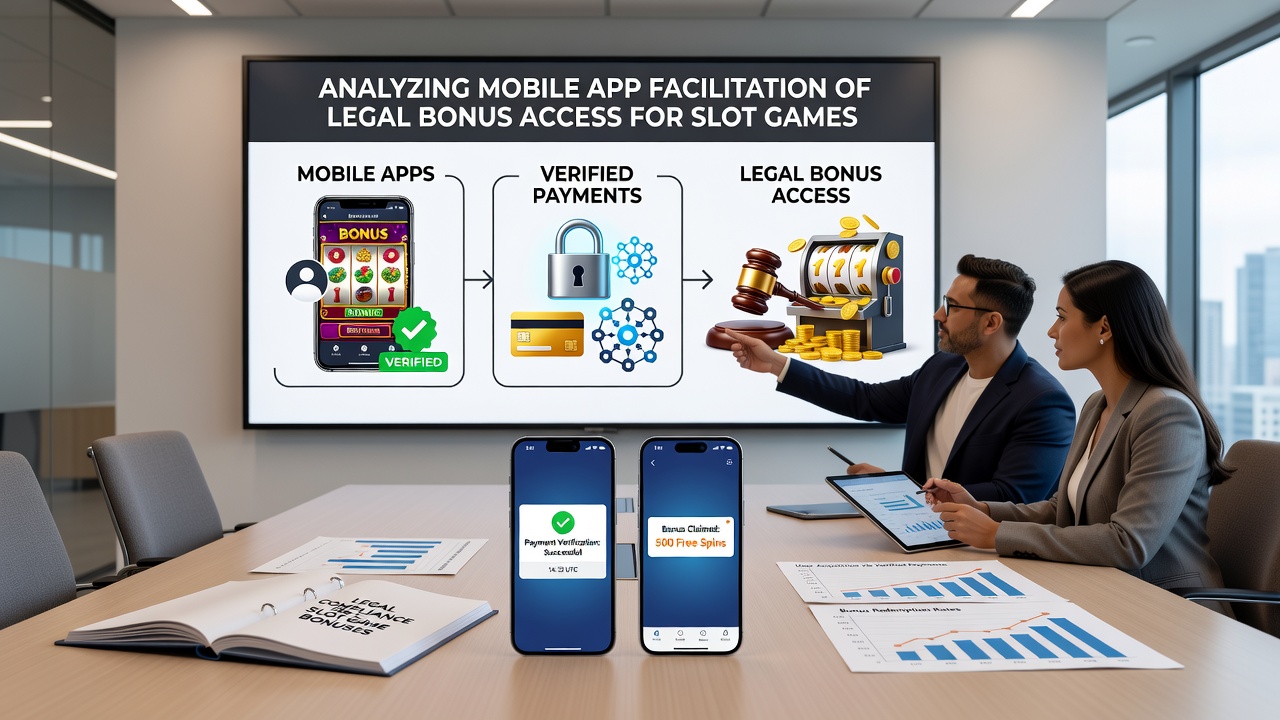
Users encounter guided prompts that direct them toward approved payment routes, and this guidance aligns with requirements set by Austrian authorities for transparent bonus terms. Data compiled through academic reviews of EU gambling markets shows that mobile platforms using verified payments report higher rates of sustained user engagement without regulatory flags.
Regulatory Context and August 2026 Developments
Austrian statutes mandate that bonus access through apps must tie directly to confirmed financial activity, and preparations for enhanced digital standards continue into 2026. Reports from the European Commission highlight ongoing efforts to harmonize verification protocols across member states, with Austria positioning its mobile frameworks to meet projected benchmarks by August 2026.
These adjustments focus on expanding the use of certified payment processors that automatically enforce bonus eligibility rules, and operators update their apps accordingly to reflect new documentation standards. Research indicates that such shifts build on existing laws rather than overhaul them, preserving the emphasis on verified transactions as the foundation for legal slot promotions.
Technical Integration Examples
One documented case involves apps that connect to national banking networks for instant validation, and the method confirms both the payment and the player's legal status in a single step. Observers have tracked how these integrations reduce processing times while satisfying oversight from bodies like the Austrian Financial Market Authority.
Another pattern appears in apps that employ multi-factor checks combining payment history with biometric data, although the core requirement remains the verified transaction itself. Studies from Canadian research centers on regulated gaming note similar patterns in other jurisdictions, where mobile verification supports consistent bonus distribution under strict legal conditions.
Conclusion
Mobile applications in Austria therefore function as intermediaries that connect verified payments to legal bonus mechanisms for slot games, and the process relies on established regulatory pathways rather than ad hoc solutions. Evidence from multiple oversight sources confirms that these systems maintain compliance while enabling player access, with further refinements anticipated around August 2026 to strengthen digital authentication standards. The approach underscores the central role of confirmed financial activity in upholding Austrian gambling requirements across all approved platforms.